Center for International Education
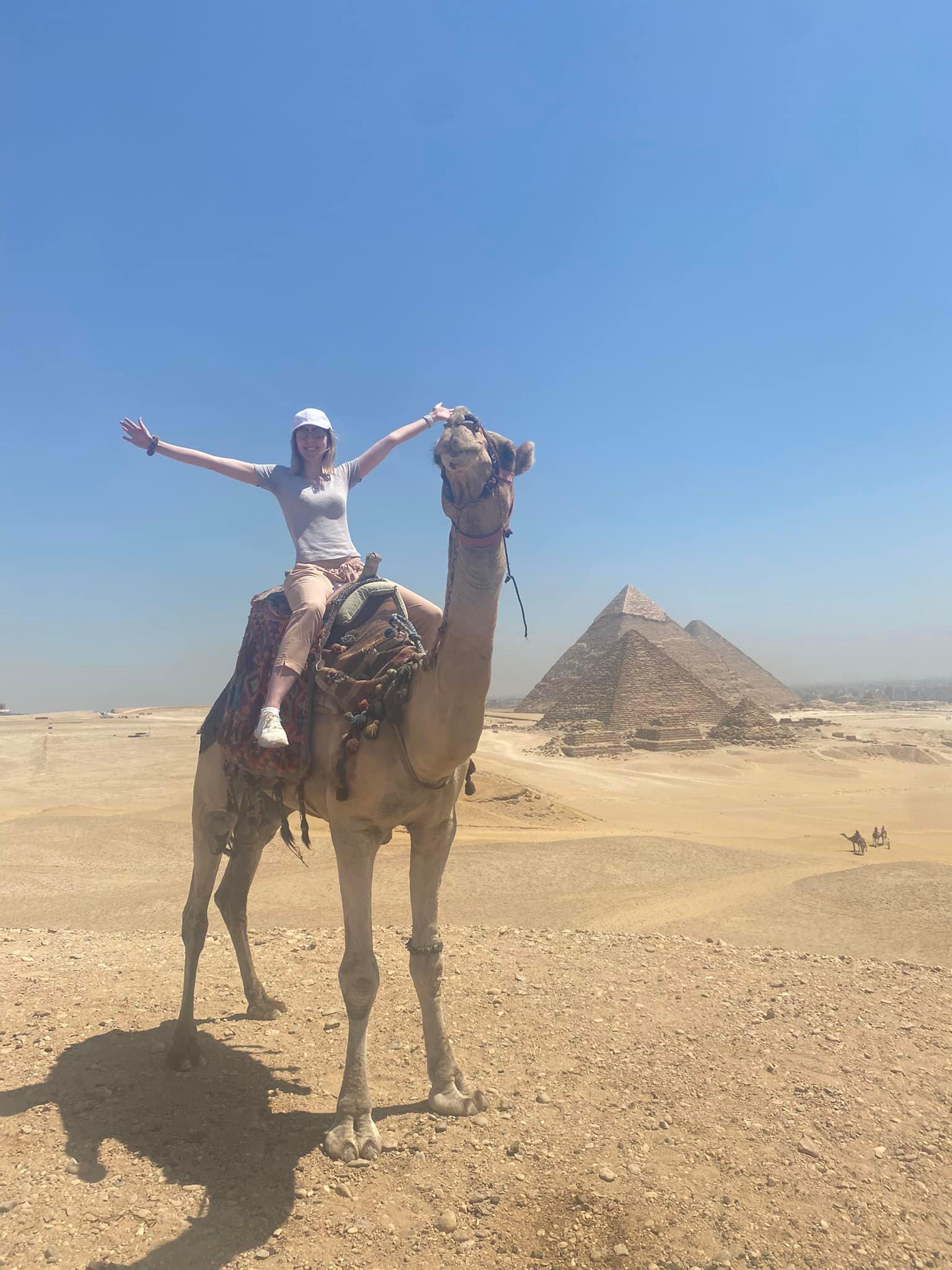
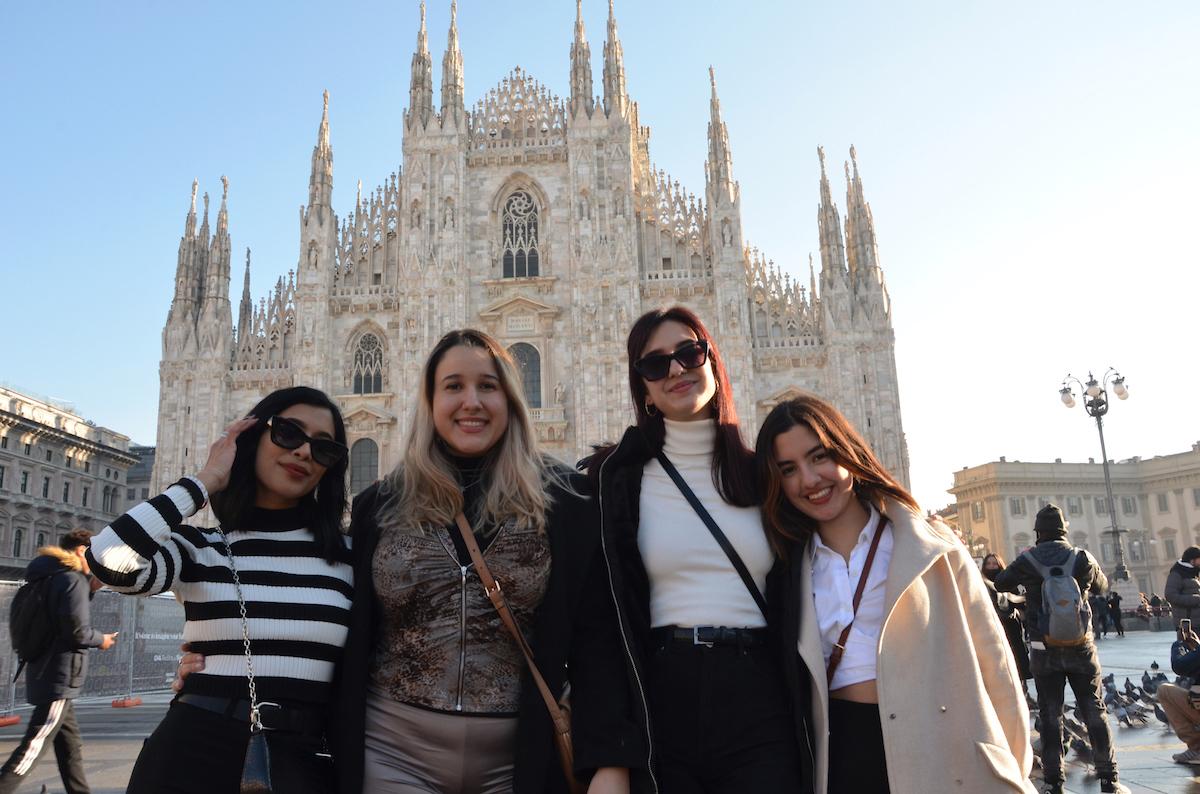
Shannon White ’22, Abby ’23 and Cora Allison ’22 each had their own study-abroad experiences that changed their lives.
Our Name

Francis S. Hutchins, President of Berea College from 1939-1967, taught in China in the Oberlin/Shansi Program from 1922-1924. He returned to Changsha, China in 1925 to serve as an instructor and representative of the Yale-in-China Mission for the next fourteen years. He returned to the United States in 1939 to lead Berea College through World War II and into the Civil Rights years of the 1960s.

Louise G. Hutchins, born in Changsha, China to Episcopal missionaries, earned her undergraduate degree from Wellesley in 1932, her medical degree from Yale in 1936, and completed her internship in pediatrics at Hunan Hospital in Changsha. She worked with refugees fleeing the Japanese invasion before coming to join her husband in Berea in 1939. She devoted much of her life in Berea to the healthcare of Appalachian women.
Frequently Asked Questions
The benefits of studying abroad are tremendous. In addition to cultural, personal, social and academic growth, students who study abroad are more marketable upon graduation. In today’s world, employers and graduate schools increasingly value an overseas experience. Many employers – in banking, engineering, marketing, the computer industry, and many other areas – are looking specifically for overseas experience when evaluating applicants.
No. There are hundreds, if not thousands, of programs overseas that are offered in English.
However, we always encourage students going overseas to take at least one course in a local language. If you are already proficient in a foreign language, you will likely have more course options “on the ground” if you are heading to a country where that language is spoken.
Plus, there is no better way to learn a language than to be fully immersed in it.
Additionally, there is another pool of funding for Foreign Language majors at Berea who are heading overseas to study in that language. Speak with the Foreign Languages Department to learn more!
The answer is: It depends. But often, sooner is better than later!
You do need to have attended Berea College for at least 2 semesters before you are eligible to participate. There are other eligibility requirements that you will want to be sure to check out as well.
Remember that you are required to be on the Berea College campus for your final semester – so studying abroad in your last term is not an option.
Timing may also depend upon your major (and minor) requirements, so it’s best to check in with your academic advisor early to plan ahead.
In total, most students usually have 11 unique opportunities to study abroad: 5 semesters, 3 summers, and 3 winters.
Nonetheless, semesters are highly recommended! Going abroad for a semester allows you more time to adjust and integrate into the local culture. As a result, semester-long experiences can be more impactful.
This is likely not the case!
Most Berea College students qualify for a generous grant from the Center for International Education that may cover up to 75% of a semester program’s costs, up to a cap of $8,000. (**Each student’s situation is unique — do not consider this number as final.**)
Additionally, our direct exchange partners do not charge Berea students tuition – so if you’re headed to a partner university, you will only be responsible for your flight, visa, housing, meals, and other living expenses.
Students also often utilize Pell monies and KEES monies (if they graduated from a Kentucky high school) to help pay for study abroad.
Finally, most BTA students also qualify for a Berea College interest-free loan, if needed.
Meet with Financial Aid ahead of time to discuss your specific situation and the financial feasibility of study abroad!
It depends. Berea offers a grant to every student who studies abroad. Once.
Occasionally, students are able to do both a semester and a shorter program (summer/winter) by subtracting the funds received from the College for a Summer/Winter program from the total aid available for a Semester program.
So, come and talk to us!
Yes.
You need both permission from Berea College to study abroad (you apply for Berea’s approval in Via) and admission from the program itself.
Many students who leave their comfort zone may encounter culture shock, homesickness or loneliness, budgetary issues, and language barriers. Remember to see these challenges as an opportunity for self-improvement, and the benefits of studying abroad will greatly outweigh the difficulties.
The only remedy for culture shock is gathering information about the country, coming to terms and accepting the cultural differences. Chances are you picked where you’re going based on interest you already have in being there. Read about the city’s and country’s history, customs, food, tourism and language (if needed). You don’t have to purchase books, you can bookmark it on your device, and even write down little cultural notes to keep in mind in a notebook.
Have no fears! Kathryn King is here!
Kathryn can serve as your “checkbook.” Meaning, she can front your fees, application, flight, program, etc, AFTER you’ve been approved by Berea to study abroad (so, around October 1st & March 1st, respectively).
Getting to the country where you will study abroad is your responsibility.
So is getting to the airport—even if you are leaving from Berea. Please plan ahead.